
The Warnings Were There
Israel’s border soldiers saw Hamas preparing and reported it. Intelligence had the invasion blueprint. The warnings reached commanders with the power to change the defense. They left it unprepared. My judgment is that those decisions allowed a known danger to become a successful attack. Three years after Al-Aqsa Flood, the soldiers’ accounts show how often the danger was brought to the command’s attention. (N12 · Soldiers’ interviews, Dec 3, 2023; New York Times investigation; IDF review · Nov 10, 2025; Reuters · Oct 10, 2023)
The border before October 7
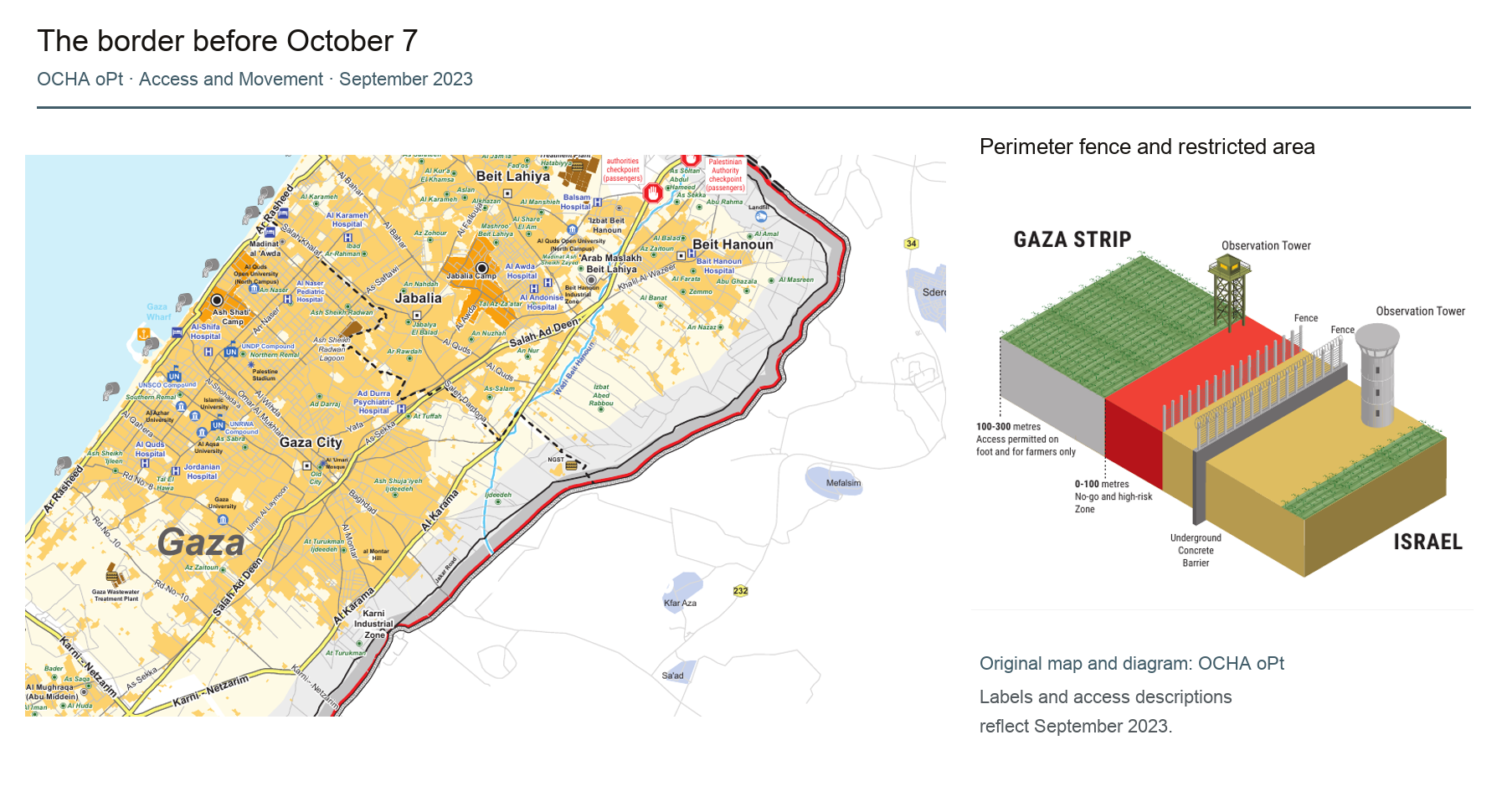
Roni Lifshitz described increasingly frequent convoys of Hamas fighters examining positions along the border, photographing and pointing. Margaret Weinstein described more crossings, shooting and disturbances. In their December 2023 interviews with N12, the soldiers described watching exercises that rehearsed breaching fences and kidnapping people, as well as explosives being planted near the border. Weinstein also said they’d repeatedly been briefed to expect a major event after Sukkot, in October. She said nobody had described the scale it would reach. These were soldiers observing preparations in the territory they were assigned to watch. (N12 · Soldiers’ interviews, Dec 3, 2023)
The observers describe what they reported

Some lookouts said they were threatened for continuing to raise the alarm. N12 reported in November 2023 that soldiers who escalated their warnings to a senior sector commander were told to stop bringing him what he called nonsense, or face disciplinary proceedings. The report didn’t name the soldiers or the commander. Their allegation describes an active effort to silence reporting from the border. (N12 · Reported threat, Nov 18, 2023)
Israeli intelligence also had the attack blueprint. The roughly 40-page document it code-named “Jericho Wall” described drones disabling border cameras and automated guns, then fighters crossing in large numbers to attack communities and military bases. Officials assessed an operation of that scale as beyond Hamas’s capabilities. In July 2023, a Unit 8200 analyst warned that a Hamas exercise closely followed the plan and demonstrated growing capability. A Gaza division colonel dismissed the scenario as “totally imaginative.” The plan gave no attack date; the warning concerned Hamas’s developing ability to carry it out. (New York Times investigation)
Then there’s the patrol order. Golani soldier Shalom Sheetrit told Arutz 7 in July 2024 that, at 5:20 a.m. on October 7, his deputy battalion commander radioed an instruction cancelling fence patrols until 9 a.m. Sheetrit recalled the commander saying he didn’t know why the order had been issued. He said he later received an explanation involving an anti-tank threat, which he questioned. He also said his own mortar platoon went on dawn alert. His account identifies a specific restriction before the attack; he declined to speculate about whether other platoons had been told to stay asleep. (Arutz 7 · Sheetrit interview, July 17, 2024)
Sheetrit recalls the 05:20 instruction
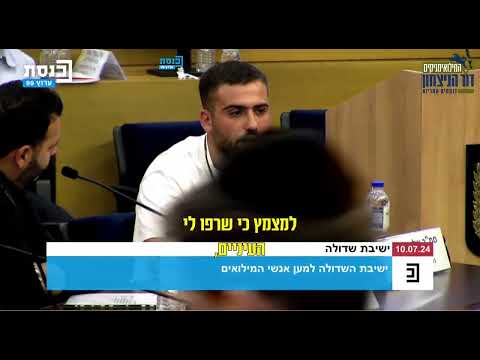
The radio instruction has since appeared in reporting on audio played at the Knesset. Ynet describes deputy commander Nir Boimflak relaying a brigade directive barring vehicles from the Burma route near the fence until 9 a.m., and reports a grenade-launcher and RPG threat as the reason. Ilan Kfir’s reconstruction, published by Ynet, describes Boimflak moving toward the fence after the attack began, ordering mortar fire and directing troops to defend Nahal Oz. Those accounts describe a pre-attack route restriction and combat orders once the attack began. The record doesn’t establish a general instruction to let Hamas through. (Ynet · Radio audio shown at the Knesset, June 2026; Ilan Kfir’s reconstruction · Ynet)
The military’s own November 2025 review found that unusual intelligence accumulated during the night before the attack could and should have prompted an alert. Southern Command hadn’t adapted troop numbers, readiness or operational plans to the threat. The Gaza division hadn’t raised its alert level or changed its force composition in response to the night’s information. The review also said the handling of intelligence over preceding years, including Jericho Wall’s wider operational implications, hadn’t been fully examined. Those are findings about decisions and preparation within the army. (IDF review · Nov 10, 2025)
In the critical hours before the attack, not a single significant action was taken among frontline forces or reserves.
Sheetrit responds to the Paga inquiry
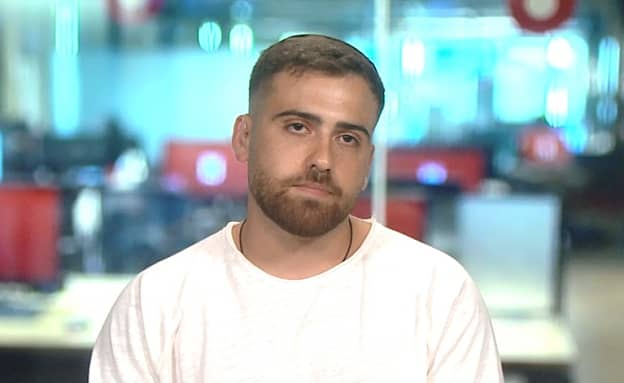
Sheetrit lost a leg at Paga. In his Channel 13 interview last month, he described soldiers fighting with a single magazine of ammunition. He asked: “How is it that, three years later, nobody’s even in prison?” (Channel 13 · Sheetrit interview, Sept 24, 2026)