
The Story We Were Told
Day 198. I've been following the story of “Dude 44” since the beginning. For months, I've checked for updates almost every day, not because I doubted there were American servicemen in danger, and certainly not because I wanted anything bad to happen to them. I kept checking because I couldn't shake the feeling that we were all being directed to focus on the wrong part of the story.
This weekend, 60 Minutes finally aired its interview with Bravo, the Air Force officer who spent nearly two days on the ground in Iran before being rescued. It's a compelling interview. Bravo endured something few of us can imagine, and the newly released rescue footage answers questions that had lingered for months. It answered almost none of the questions I'd been asking about the larger operation.
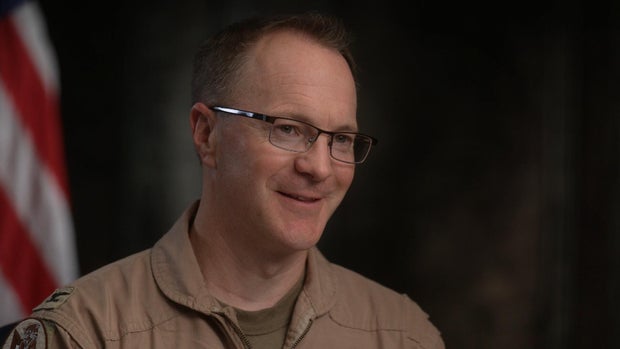
The interview asks us to admire the rescue. I never needed convincing that the rescue was extraordinary. If anything, watching what those pararescuemen and special operators accomplished only increased my respect for them. They did exactly what we expect America's military to do when one of its own is stranded behind enemy lines.
What I still don't understand is why they had to do it. How did an American F-15E end up shot down deep inside Iran? What was the larger operation? What strategic objective justified putting that aircraft there? What succeeded? What failed? What did the United States actually accomplish? Those are the questions that matter, yet they're barely addressed.
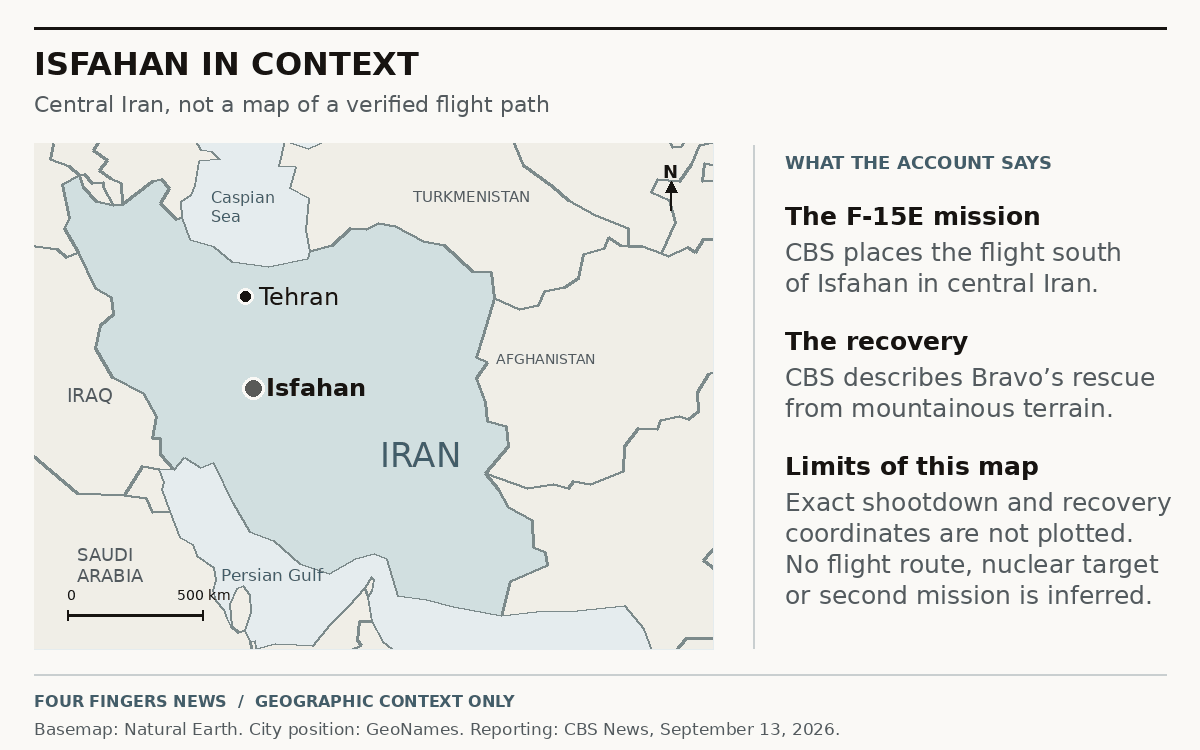
Instead, we've spent months immersed in a different narrative. We heard about Easter weekend. We heard about miracles. We heard about “Dude 44 Alpha” and “Dude 44 Bravo.” We heard about impossible odds, incredible courage, and what officials described as a rescue involving more than 150 aircraft. Pete Hegseth compared the story to the resurrection of Christ, then later recited a Pentagon prayer adapted from Pulp Fiction. It's an unforgettable story. It's just not the story I've been trying to understand.
A rescue isn't a strategy. It's what happens after a strategy has already placed people in extraordinary danger. Celebrating the rescue while ignoring the operation that made the rescue necessary feels like congratulating firefighters for pulling someone from a burning building while refusing to ask how the fire started. That's not a criticism of the firefighters. It's a recognition that they weren't the cause of the crisis.
The same is true here. Bravo deserves every ounce of respect he's receiving. So do the men and women who brought him home. Nothing in this diminishes what they accomplished. But courage on the battlefield doesn't answer questions about judgment in Washington.
As I watched the interview, I kept waiting for someone to pull the camera back. Not literally, but strategically. I wanted someone to stop asking what Bravo was thinking in those mountains and start asking what American policymakers were thinking before his aircraft ever crossed into Iran. Maybe those answers are still classified. Maybe they genuinely can't be discussed. Or maybe the rescue story became the story because it's the version everyone can rally around without having to wrestle with the much larger questions.
If that's the case, then we've mistaken the most emotional part of the story for the most important part. Bravo survived. That's something every American should be grateful for.
Now tell us why he was there.