
Bitter Lake
Twenty-five years ago today, 19 men seized four airliners. Three hit buildings. The fourth went into a field in Pennsylvania because the people on board fought back. 2,977 people died.
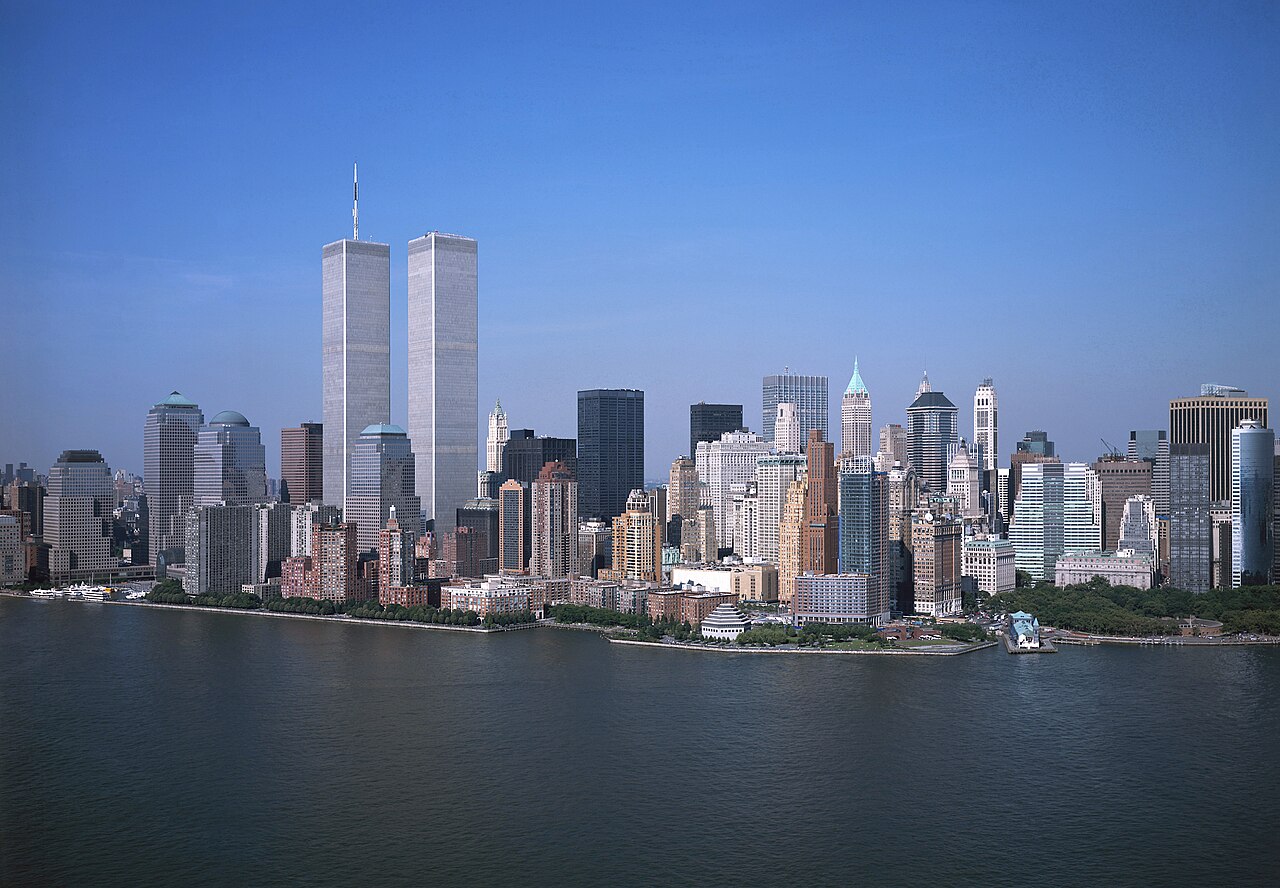
The story we settled on was terrorism. A cave, a madman, a hatred of freedom.
Calling it terrorism doesn't explain how we got there.
A better starting point is February 1945, aboard the Navy cruiser USS Quincy, anchored on the Great Bitter Lake in the Suez Canal. A dying Franklin Roosevelt sat across from King Ibn Saud.
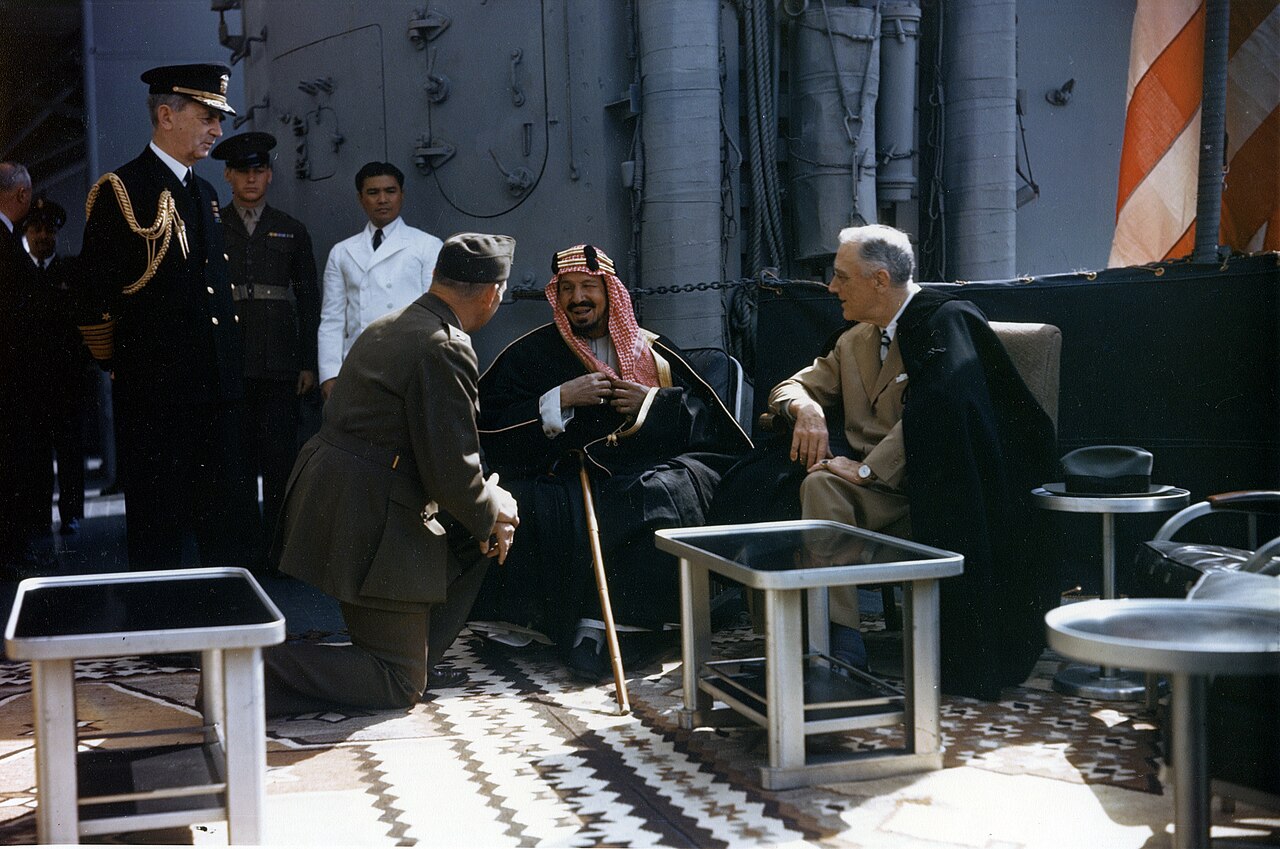
They signed a memo of the conversation, mostly about Palestine. There's no oil-for-protection clause. The broader understanding took shape over the next decade. America gets the oil. The House of Saud gets protection. What happens inside the kingdom is the royal family's business.
At home, the Saudis kept a bargain older than the United States. Since 1744, through two collapses and a reconquest, the Saudi family has ruled with the blessing of the Wahhabi clerics. The family holds the sword, the clerics hold the pulpit. Protect one and you protect both.
The export of that creed started before the money did. The Muslim World League was founded in 1962.
Then came 1973. Oil went from $3 to nearly $12 in a matter of months, and a modest missionary project became one of the best-funded religious movements in the world.
Riyadh spent tens of billions of dollars over the next three decades on mosques, schools and charities from Lahore to Sarajevo to Brooklyn. Not all of them preached the same thing. Plenty taught a narrow, brittle version of the faith. And the 9/11 Commission found that some of them became cover for people with worse intentions.
In 1979 gunmen seized the Grand Mosque in Mecca. The royal family responded by giving the clerics even more control over Saudi life.
That same year the Soviets went into Afghanistan. Washington and Riyadh split the bill for the Afghan resistance, dollar for dollar. America called it anticommunism. The Saudis called it religious duty.
The Arab volunteers who joined the fighting had their own networks and raised their own money. American aid mostly didn't reach them. Saudi private donors helped support them.
Osama bin Laden was one of those volunteers.
Wahhabism alone didn't produce him. The Saudi state clerics preached obedience and later condemned him by name. He drew on Saudi money and Saudi piety, but also on the revolutionary ideas that came out of Egypt's prisons. Muslim Brotherhood exiles brought those ideas into the kingdom, where Riyadh hired them to staff its universities in the 1960s and 70s.
He had a long list of grievances. When he declared war on the United States in 1996, the one in the title was American troops in the land of the two holy places.
Which is to say the Bitter Lake arrangement helped build the ideology and then handed it a target.
That doesn't require a conspiracy. For 56 years, both governments had reasons to keep the kingdom's domestic affairs largely out of the discussion.
That's harder to reckon with than a man in a cave. The story runs through 12 presidents of both parties, the Afghan program, and a relationship that's still the spine of American strategy in the Gulf.
Which brings us back to this week.
Saudi Arabia's watching the Houthis advance along the Red Sea. Hormuz is choked. Axios reports MBS called Trump twice Thursday to ask for American strikes on Yemen.
The same kingdom stripped its religious police of arrest powers in 2016. The prince has been clipping the clerics ever since. Whatever his reasons, the country that funded the export is now trying to change the product.
That meeting was 81 years ago. Roosevelt and Ibn Saud are long dead.
Their successors have updated the relationship plenty of times. Last November it got a fresh defense agreement with a price tag attached.
I don't think we've reckoned with what that relationship helped set in motion.